


Description
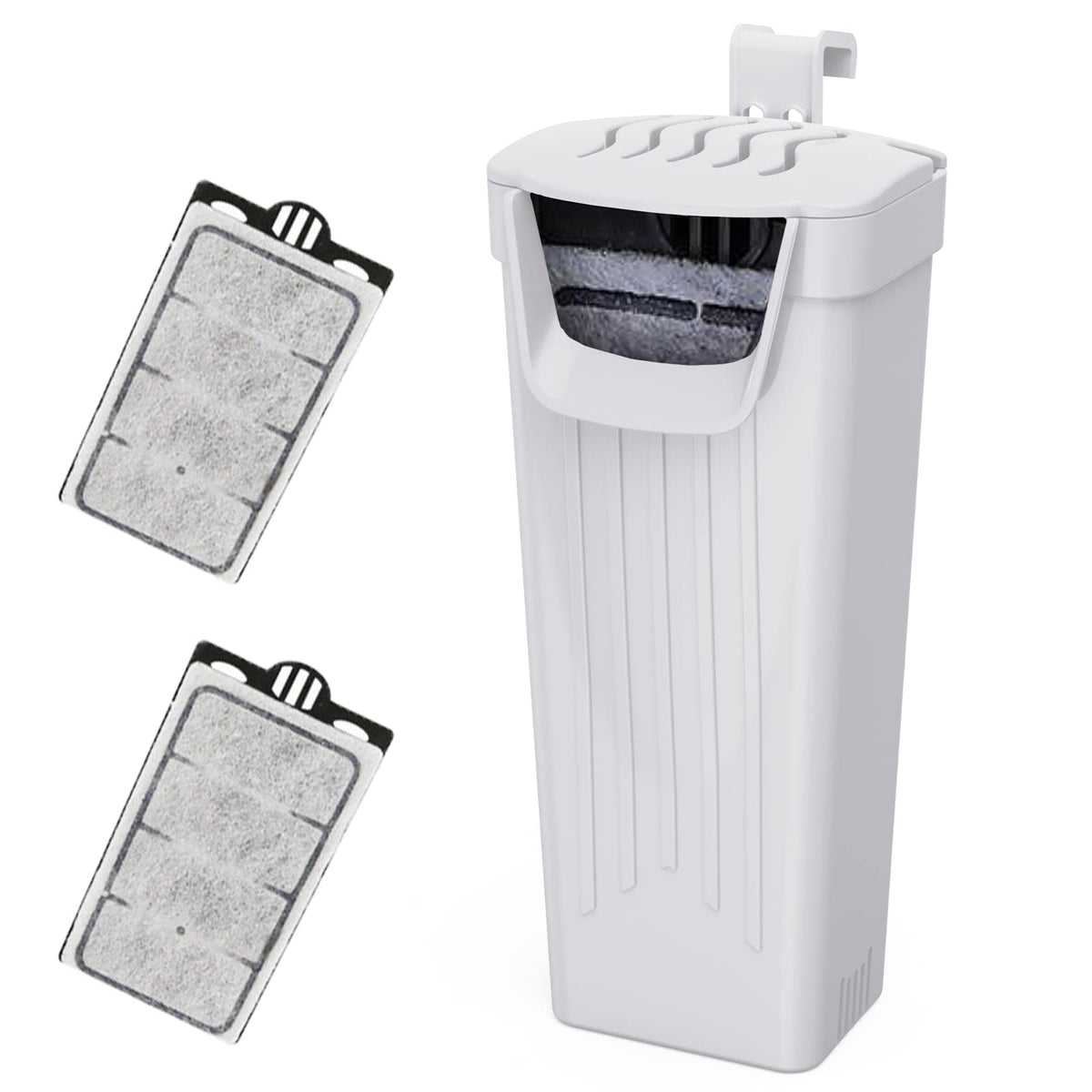
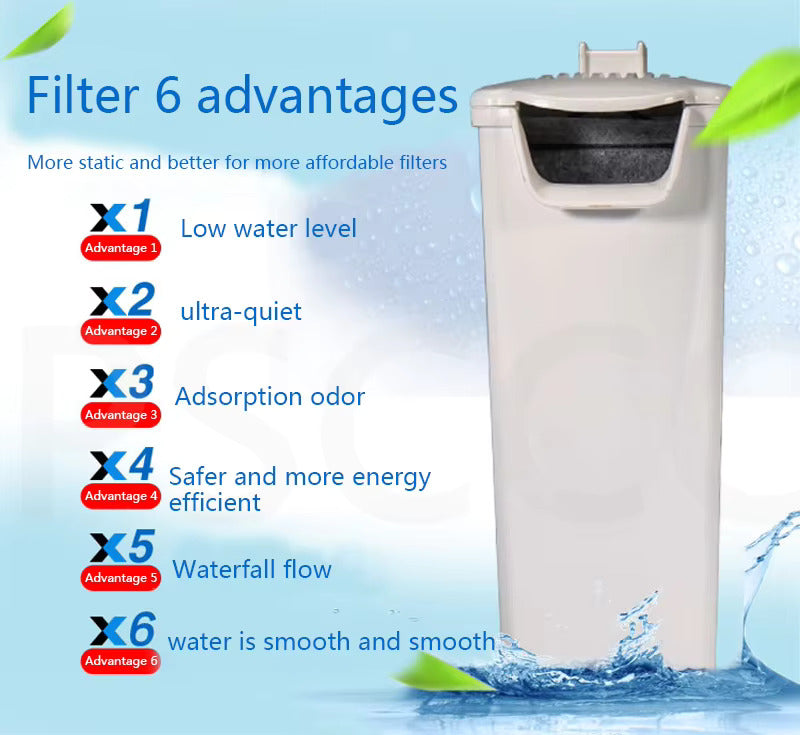
Low Water Level Aquarium Filter
This low water level filter is intended for shallow-water aquarium and aquatic-reptile setups where its installation requirements can be met. Its listed maximum flow is 200 litres per hour, with a minimum operating water depth of 3.5 cm.
Product Specifications
- Filter type: low water level filter
- Listed maximum flow: 200 L/h
- Listed power: 3 W
- Listed voltage: 220–240 V
- Listed frequency: 50/60 Hz
- Listed material: ABS plastic
- Listed minimum water depth: 3.5 cm
Confirm the electrical rating, permitted mounting position and water-level markings on the supplied unit before use. Recommended aquarium capacity in litres or gallons is not provided; flow rate alone does not establish a suitable tank size. Actual flow depends on installation, media and maintenance condition.
Installation and Use
- Follow the manufacturer's instructions for assembly, mounting and startup.
- Maintain at least the required operating water depth and observe any additional water-level markings on the unit.
- Account for evaporation so the water level does not fall below the operating requirement.
- Do not run the pump dry.
- Position the intake and outlet to suit your inhabitants, keeping small animals clear of suction points.
- Keep loose substrate and decorations away from the intake and leave access for cleaning.
Suitability depends on the species, water volume, waste load and required circulation. A low operating water depth does not establish that the overall habitat meets an animal's care requirements. Confirm freshwater or marine suitability in the supplied instructions.
Routine Maintenance
- Disconnect power before servicing or lowering the water level.
- Check the intake, impeller and water passages regularly for debris.
- Clean or replace filter media according to its type and the manufacturer's instructions.
- If biological media is used, avoid replacing all established media at once.
- Reassemble and restore the required water level before restarting.
Continue regular water testing and water changes. Filtration does not replace appropriate stocking, feeding and habitat maintenance.
